Organic Herbs & Herbal Teas

Organic herbs and herbal teas have been treasured for years for their amazing healing properties and flavors. These natural wonders offer a wide range of health benefits, from aiding in relaxation and digestion to boosting our immunity and so much more.
Herbal teas, crafted from dried leaves, flowers, and roots, have stood the test of time as soothing remedies with healing powers. Incorporating these herbal infusions is a way to tap more into nature's gifts while nurturing our well-being. Whether we enjoy them for their effects or simply to delight our senses, herbs, and herbal teas are timeless traditions that bring us closer to our bodies and a higher sense of being.
Creating organic teas with herbs is a great way to savor their natural flavors and benefits (which vary depending on the herb). Plus, organic herbs used in teas are free from harmful chemicals like pesticides and herbicides. As a result, the teas made from these herbs are healthier and safer for us to consume.
Spiritually, herbs have a history of being associated with meditation and spirituality in various cultures. The spiritual aspect of tea often involves being mindful while preparing and savoring it. To me, the act of making and enjoying a cup of tea is a spiritual ritual within itself, steeped in deep cultural and historical significance.
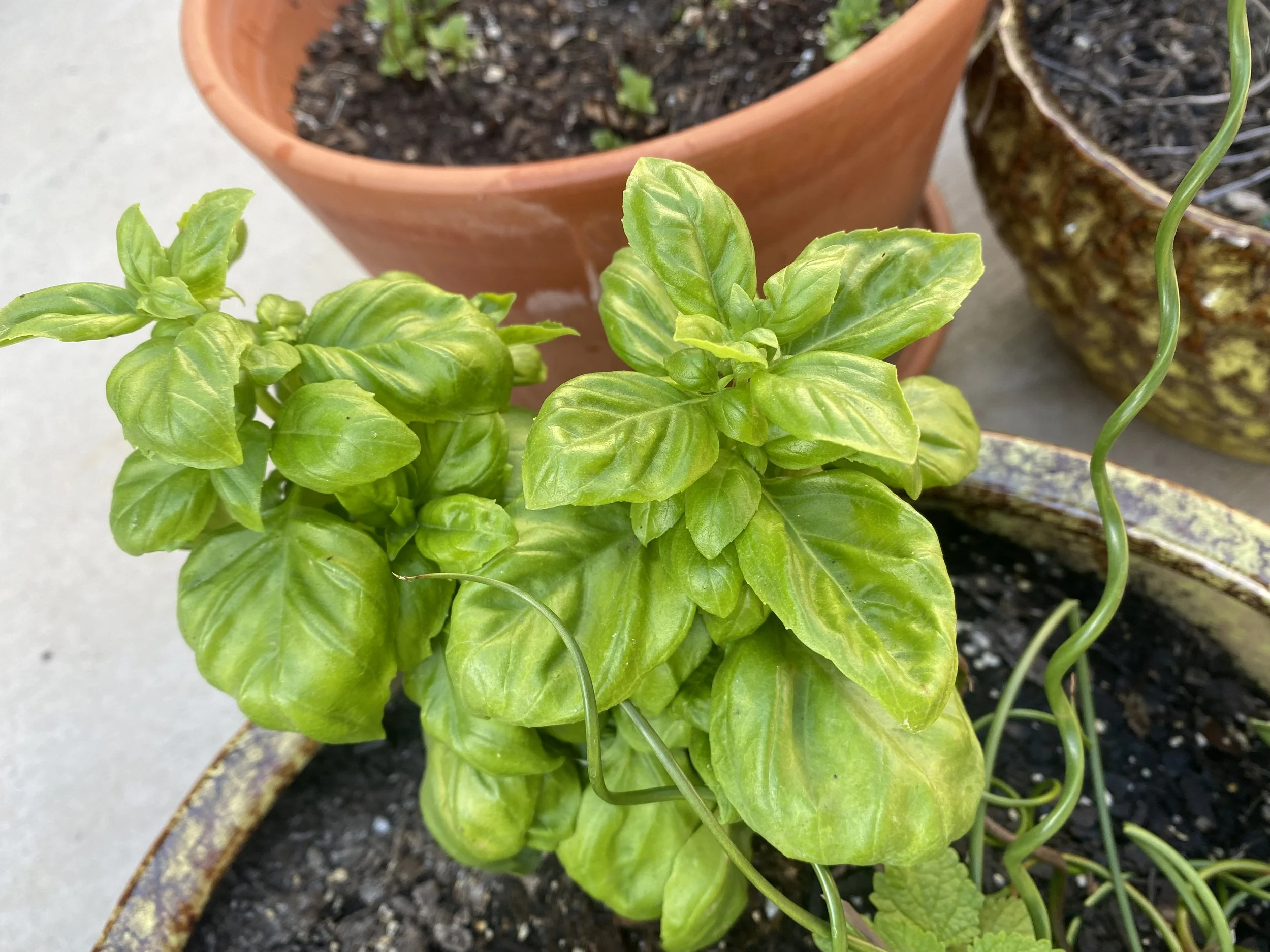
Basil (Ocimum Basilicum)
Organic herbs and herbal teas hold profound symbolism in spirituality, representing various aspects of the human experience and connection between the physical and spiritual realms. Here are some ways in which herbs are considered to be spiritual:
I feel it to be very important to note that the spiritual significance of tea can vary widely between cultures and persons. For some, tea may be an integral part of their spiritual practices, while for others, it may simply be a comforting and enjoyable beverage. Whether you view tea as a spiritual experience or not, the act of preparing and having a cup of tea may be spiritual simply in the sense of:
Tea as a Spiritual Offering: In some spiritual traditions, tea is offered as a symbol of respect, gratitude, or devotion to deities, ancestors, or spiritual teachers.
Mindfulness and Meditation: The process of making and drinking herbal teas can be an opportunity for mindfulness and meditation. Preparing tea with intention, paying attention to each step of the process, and savoring the flavors can help individuals stay present and cultivate a sense of inner peace.
Connection with Nature: The origins of herb teas come from the Camellia sinensis plant, and many herbal teas are derived from various herbs and plants. The act of brewing and consuming tea can be seen as a way of connecting with nature and appreciating the gifts it offers.
Cultural and Historical Symbolism: In many cultures, tea has profound cultural and historical symbolism.
Tea Ceremonies: Many cultures have developed elaborate tea ceremonies that are steeped in tradition and spiritual significance. These ceremonies often emphasize harmony, respect, and tranquility, creating a sacred space for participants to connect with themselves and others on a deeper level. It may be associated with hospitality, purity, enlightenment, or spirituality. The rituals surrounding tea drinking can reflect these deeper meanings and values.
Social Bonding: Sharing tea with others can be a communal and social experience that fosters connection and a sense of unity. Spiritual practices often emphasize the importance of community and interconnectedness.
Mind-Body Connection: Herbal teas are often believed to have holistic benefits for the body, mind, and spirit. People may drink certain teas to support their well-being and promote balance in their lives.
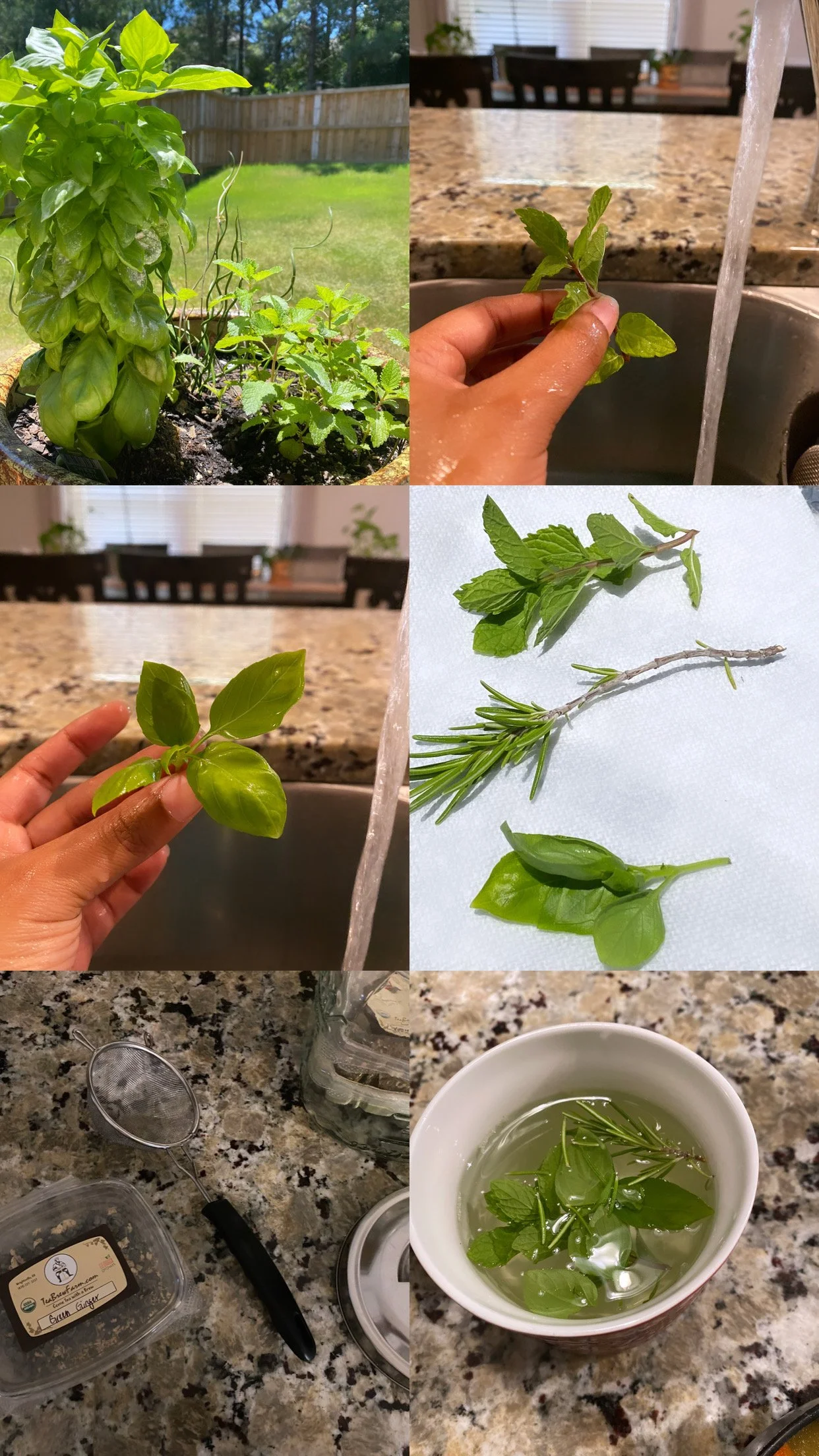
Basil, Mint, Rosemary, Ginger & Green Tea
Herbal teas, also known as herbal infusions or tisanes, offer a wide range of physical benefits. Here are a few notable ones:
Aside from the spiritual benefits, many herbs used in organic teas have traditional medicinal properties and uses. For example, herbs used in organic teas contain essential vitamins, minerals, and antioxidants that contribute to our overall health and well-being. Drinking these teas provide a natural and tasty way to incorporate these nutrients into our lives while avoiding artificial flavors, colors, and preservatives that are commonly found in commercial teas.
Drinking teas without these additives are beneficial for many reasons, here are a few:
Digestive Aid: Many herbs used in teas, such as peppermint, ginger, chamomile, and fennel, have digestive properties that can help soothe indigestion, bloating, and stomach discomfort.
Reduced Exposure to Toxins: Organic herbs are grown without the use of genetically modified organisms (GMOs) or synthetic chemicals, reducing the risk of exposure to potentially harmful substances.
Community Outreach: Choosing organic herbs for tea encourages the growth of the organic farming industry. Supporting local and small-scale farmers who adopt sustainable practices helps strengthen communities.
Personalization: Making organic teas with herbs allows us to create custom blends tailored to our taste preferences and health needs. We can mix different herbs to create unique flavor profiles and target specific health benefits.
Calming and Relaxation: Herbal teas like chamomile, lavender, and lemongrass have calming properties that can promote relaxation and help reduce stress and anxiety. Certain herbs, such as chamomile, valerian, and passionflower, are known for their sedative effects and may help improve sleep quality.
Antioxidant Boost: Herbs often contain antioxidants that can help neutralize free radicals in the body and contribute to overall cellular health.
Immune Support: Herbs like echinacea, elderberry, and astragalus are believed to have immune-boosting properties, helping the body defend against infections and illnesses.
Anti-Inflammatory Effects: Some herbal teas, like turmeric and ginger, have anti-inflammatory properties that aid in reducing inflammation and easing joint pain.
Respiratory Health: Herbs like mullein, thyme, and eucalyptus can help soothe respiratory issues, clear congestion, and promote easier breathing.
Hydration: Herbal teas can be a refreshing way to stay hydrated, especially for those who prefer a caffeine-free option.
Blood Sugar Regulation: Certain herbs, such as cinnamon and gymnema, help regulate blood sugar levels and support individuals with diabetes or insulin resistance.
Mood Enhancement: Herbal teas like St. John's Wort and Ginkgo biloba are believed to have mood-enhancing properties that can lift spirits and improve mental clarity.
And so much more!
P.S. ❀

illustration by lee zimmerman
When it comes to sweetening our organic herbal teas, it's a good idea to use natural sweeteners that complement the flavors of the herbs without overpowering them. Here are some organic sweeteners to consider:
Agave Nectar: Agave nectar is derived from the agave plant and has a mild, sweet taste. Choose organic and unprocessed agave nectar for the best quality.
Raw Honey: Raw honey is a natural sweetener with a unique flavor profile that can enhance certain herbal teas. It also offers potential health benefits due to its antimicrobial and antioxidant properties.
Brown Sugar: Brown Sugar has a subtle caramel-like flavor that adds depth and complexity. It’s made from either cane sugar or beet sugar and gets its characteristic color and flavor from the presence of molasses.
Cane Sugar: Cane Sugar is a type of sugar derived from sugarcane, a tall tropical grass from the Saccharum genus. It is one of the most common types of sugar used in various food and beverage products worldwide.
Molasses: Unsulfured organic molasses is a byproduct of sugar cane processing. It has a rich, robust flavor and can be used in teas that pair well with its taste.
Coconut Sugar: Coconut sugar is derived from the sap of coconut palm blossoms. It has a caramel-like flavor and is less sweet than regular table sugar.
Licorice Root: Licorice root is a natural sweetener with a distinct flavor that resembles licorice candy. It’s a popular addition to some herbal teas for sweetness and its potential soothing properties.
Remember to add sweeteners to your organic herbal tea sparingly, as the goal is to enhance the natural flavors of the herbs rather than overpower them with sweetness. Experiment with different sweeteners to find the ones that best complement your preferred herbal tea blends. Please be mindful of any allergies or sensitivities you and or your guests may have to certain herbs, and sweeteners.