Signs That Your Plants Are Overwatered
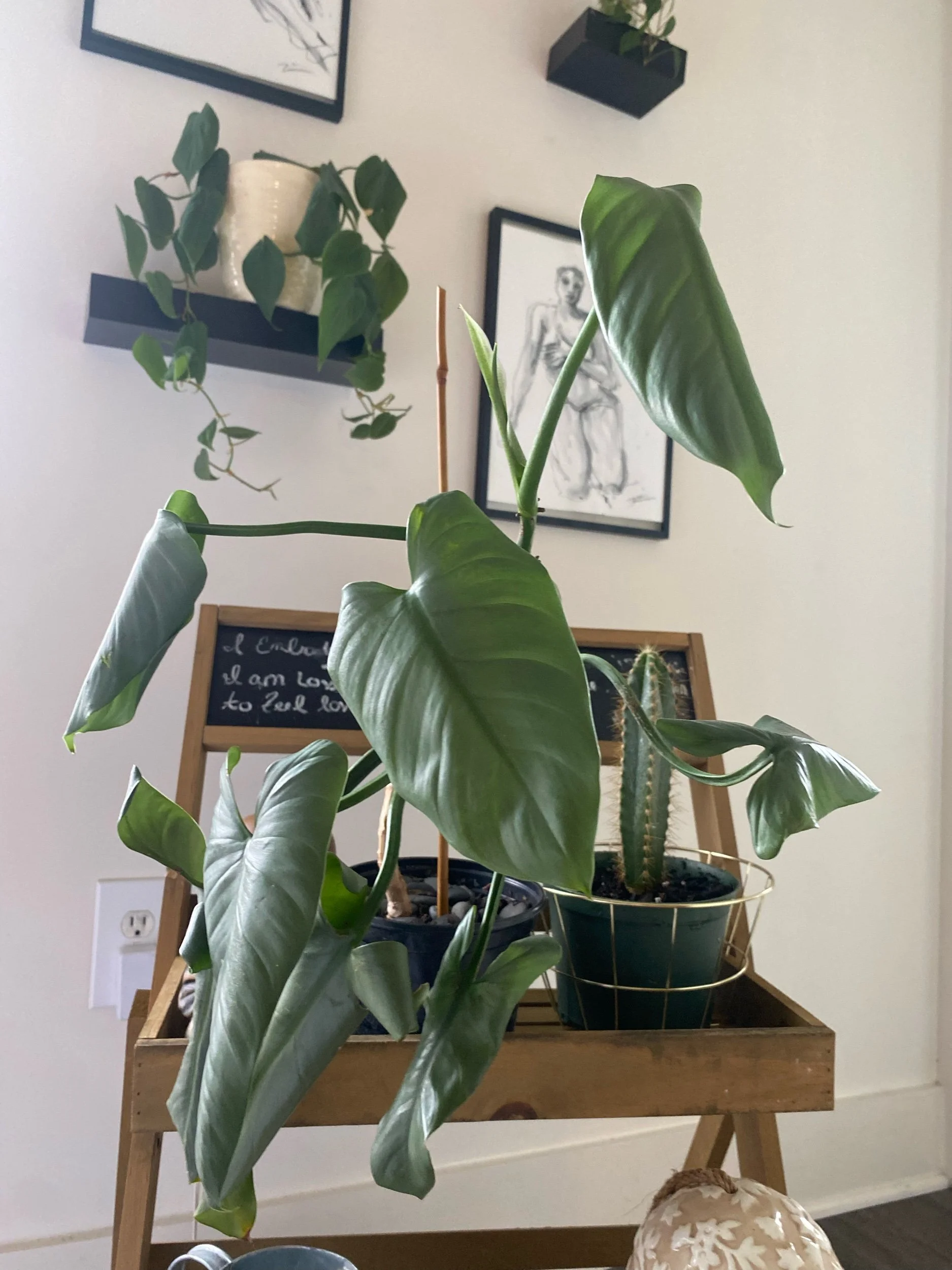
Overwatering is easily one of the most common reasons for the death of our house plants. A very common mistake, but thankfully, that also means its easy to rectify.
How do we know that we’re overwatering?
The first thing to do when diagnosing an overwatered plant is to feel the soil a few inches deep, and if it feels extremely too moist or wet, this is one of the first signs it’s been overwatered.
The commonly made mistake of watering our plants too often leads to the soil in the pot not being given enough time to dry out between watering sessions. Spacing out our watering sessions more generously allows the water to hydrate the roots without drowning them. The fact is, most plants don’t need to be watered that often. Every one to two weeks is ideal for most house plants. Nonetheless, it’s always a great idea to do your own research on your plant before purchasing and taking it home!
However, if we’ve been watering our plants correctly but it doesn’t get enough sunlight, the potting mix will then effectively remain in a constant wet state which can also lead to overwatering. The best way to avoid this is to water our plants in the morning hours, before the sun comes out in full force and proceeds to evaporate the water off in the soil. This prevents the plant from sitting in a wet potting mix for too long.
Another sign of overwatering could be the presence of soil insects and the yellowing or blackening at the base or the lower leaves of our plants. Looking out for these signs early on, otherwise, when the mushyness or root rot hits, it probably signals the end of our plant’s life.
Start a better watering habit for our plants!
In summary, only water our plants when the potting mix is dry and ensure our plant has enough sunlight and warmth to help the soil dry out efficiently. Repotting into a planter with drainage holes to accelerate the drainage of water is also important when considering the signs of our plants being overwatered.